
One of the most common problems I see on a daily basis is that patients struggle to limit their salt intake to the 2,000mg per day goal for Pulmonary Hypertension patients. Unlike fluid restrictions where everyone can measure precisely how much fluid they drink, keeping track of salt intake can be very difficult. Let’s start with some basic terms. Salt is the same as … [Read more...]
Common Medications that Pose Increased Risk in Pulmonary Hypertension

Non-Steroidal Anti-Inflammatory pain medications (NSAIDS) Non-Steroidal Anti-Inflammatory pain medications (NSAIDS) such as ibuprofen (Motrin), naproxen (Aleve), Etodolac, celecoxib (Celebrex) are all effective medications for mild to moderate pain. However, all these medications also put increased stress on your kidneys. In PAH, the kidneys are already under stress from … [Read more...]
Beating Heartburn with Pulmonary Hypertension
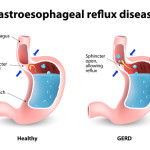
Heartburn or gastro-esophageal reflux disease (GERD) is a very common symptom for patients with pulmonary hypertension. Patients may experience chest tightness, burning, pressure or even cough and hoarseness. Often symptoms are worse after eating certain foods or lying down at night. What Causes Heartburn in Pulmonary Hypertension Patients? A quick review of the anatomy of … [Read more...]
Pulmonary Embolism and Pulmonary Hypertension

A recent reader of PulmonaryHypertensionRN.com wrote in with an excellent question that I suspect is on many patients minds. Pulmonary embolism (a blood clot in your lung) is a very common medical problem. Occasionally this can lead to pulmonary hypertension in a few percent of patients. The larger the blood clot the greater the likelihood that if you had an echocardiogram … [Read more...]
3 Benefits of Pulmonary Hypertension Support Groups

A pulmonary hypertension support group is a group of patients with PAH coming together to learn about and support patients with pulmonary arterial hypertension. The idea of attending a support group can seem scary and intimidating, Potential participants worry about what types of people will attend and if they will be required to speak during the meeting. Patients that can … [Read more...]